Learning how to win at texas holdem is less about luck and more about disciplined bankroll management and reading position. Australian players often treat cards like a short-term punt, but the maths rewards patience over the long haul. Managing your money like a proper budget, not a quick hit, separates the winners from the tourists. Anyone chasing a quick quid should reconsider before folding their savings into the pot.
The Mechanics Behind Consistent Play
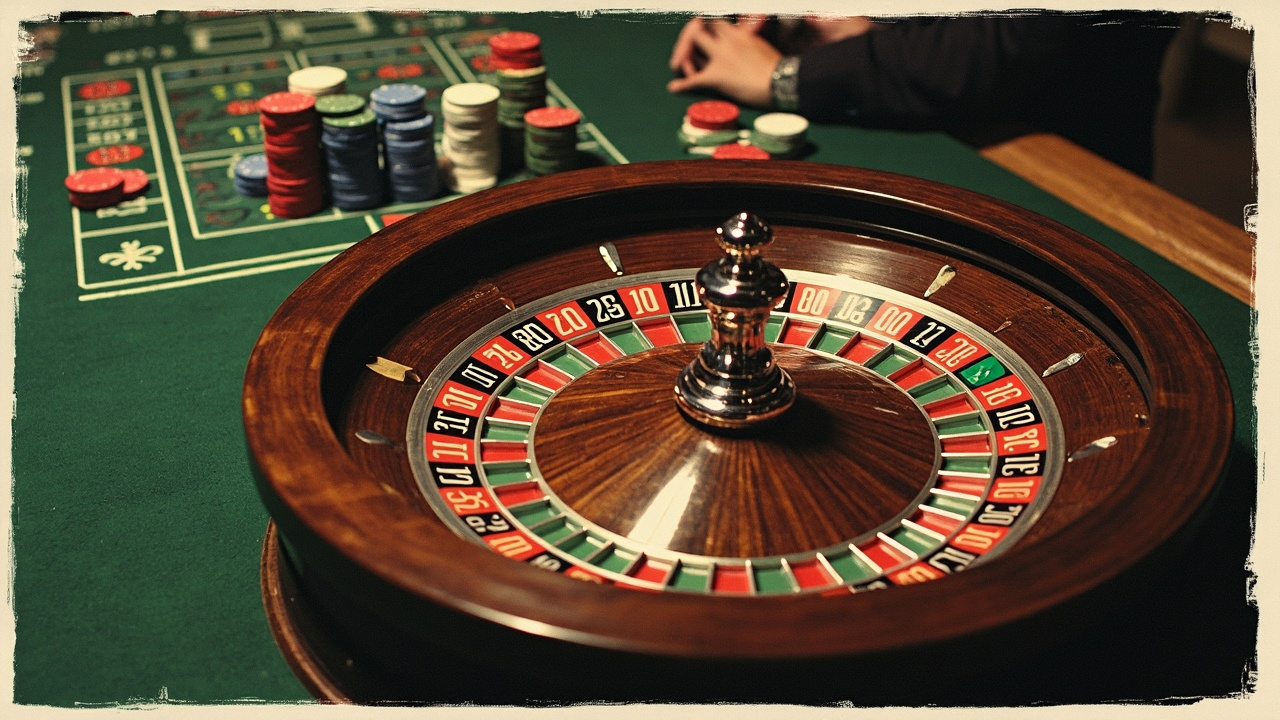
Texas holdem rewards players who treat each hand as a data point rather than a standalone event. Position matters enormously because acting last gives you more information before committing chips. In finance terms, you are managing exposure against uncertain outcomes, much like hedging a volatile asset. The best players fold weak hands early instead of chasing losses, a discipline that mirrors sound FP&A practices where you cut spend before it blows the budget. Understanding pot odds and implied odds lets you make decisions based on probability, not gut feel. This approach reduces variance and keeps your bankroll intact through dry spells.
Table Dynamics and Decision Making
Reading Opponents and Table Flow
Watching how opponents bet tells you more than their cards ever will. Tight players fold often, while loose players chase draws regardless of the price. You need to adjust your strategy based on who is sitting across from you, similar to how a commercial strategy shifts when the competitive landscape changes. If the table is aggressive, tighten up and let them burn each other out. If the table is passive, steal the blinds more frequently. Observing patterns over an hour gives you an edge that pure luck cannot match.
Bankroll Management and Risk Control
Your bankroll is the fuel for your session, and running it dry ends the game before you can recover. Set strict limits on how much you bring to the table and never play with money you cannot afford to lose. In my experience transforming finance processes, the biggest failures come from ignoring cash flow constraints until it is too late. Treat your poker funds like a operating budget where every buy-in is a planned expense. Stop-loss limits protect you from tilt, which is when emotions override logic and you start making costly mistakes. Keeping records of your sessions helps identify leaks in your game just like reviewing monthly variance reports.
Game Selection and Limits
Not every table is worth your time, and playing the wrong limits bleeds money slowly. Choose games where the skill gap is wide enough for you to exploit weaker players. High rollers often play loosely, but the swings can be brutal if your bankroll is not sized correctly. Junket commissions were based on “rolling” chip turnover, which reminds us that volume and turnover matter more than single big wins. Pick stakes that allow you to withstand variance without going broke. Playing below your capacity lets you focus on strategy rather than worrying about the next bill.
| Factor | Consideration | Impact |
|---|---|---|
| Position | Acting last provides more information | Higher win rate |
| Bankroll | Strict stop-loss limits | Protects capital |
| Opponents | Adjust to tight or loose styles | Exploits weaknesses |
Finding the Right Fit for Your Style
Not every player suits every table, and knowing your own style prevents costly mismatches. If you prefer tight aggressive play, look for tables with loose callers who will pay you off. Olivia Watson, Marketing Director at Banksia Betting Partners, notes that player engagement drops when the game flow feels forced rather than organic. You want a environment where your strategy fits naturally without forcing bad bets. Finn Reid, Sports Betting Analyst at Eucalypt Digital Advisory, suggests that understanding market liquidity helps, even though poker is a closed loop. The right table feels comfortable and allows you to execute your plan without constant friction.
Some players prefer online platforms for speed and variety, while others enjoy the social aspect of live play. If you are considering digital options, checking a reputable site like https://skycrowncasion.com/ might offer a starting point for comparing interfaces and game availability. The key is finding a venue where the rules and pace match your patience level. Live games move slower, giving you more time to think, but online tables allow you to play multiple seats at once. Neither is inherently superior, but one will suit your lifestyle better.

Winning at texas holdem requires discipline, observation, and strict money management rather than hoping for a lucky river card. Treat every session like a business operation where protecting your capital is the primary goal. There are no guarantees in gambling, and variance will hit even the best players eventually. Play within your limits, learn from your mistakes, and know when to walk away.