When you’re trying to figure out how to read poker tells, the real work starts before the cards even hit the felt. Most Aussie players treat tells like movie tricks, but the useful ones are usually small physical leaks under pressure. If you’re playing a Brisbane card room on a humid arvo, you’ll notice more nervous ticks than you would in a quiet session at home. The trick is to watch one thing at a time and ignore the noise.
What Actually Counts as a Tell
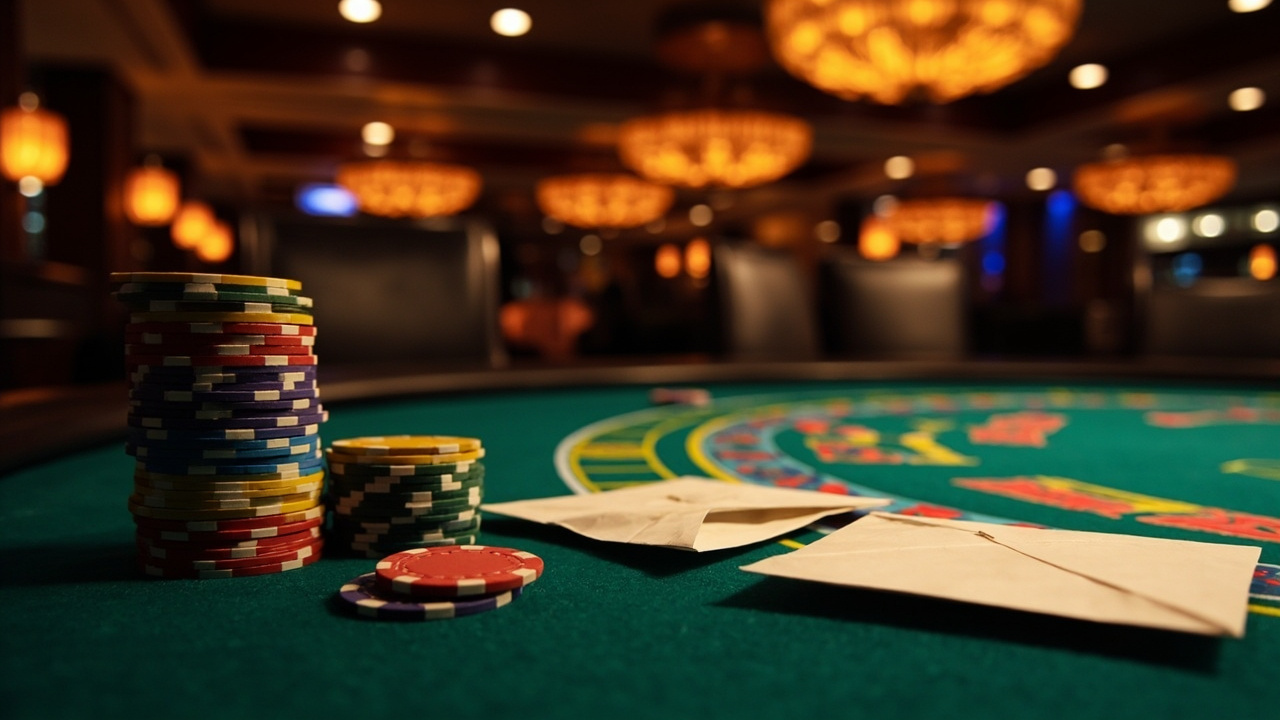
A tell is just a repeatable change in behaviour that lines up with a specific hand strength. You’re not looking for a villain twirling a chip like a cartoon; you’re watching for a pattern that breaks when the stakes move. The best players I’ve worked with treat a tell the same way a physics engine treats a collision – you measure the input, you check the timing, and you only trust it when the same result happens more than once. That mindset matters because a single shaky read is just guesswork dressed up as insight.
If you want to test that discipline somewhere with clear rules and a proper licence, you can compare the way a room handles player behaviour against how a transparent operator runs its table games. A site like https://elvis-frog-trueways-online-au.com/slot shows how a brand can keep its mechanics visible, and that same visibility is what you want from a live room where the dealer’s rhythm and the floor’s oversight are part of the story. When the structure is clean, your reads have a stable baseline instead of a moving target.
How to Read Poker Tells in Real Sessions
Watching the Hands and the Timing
Most useful tells start with the hands and the timing, not the face. A player who suddenly slows down before a big bet is often weighing a decision, while one who fires instantly on the river might be carrying a story they’ve already committed to. Watch the stack too. Someone who guards their chips with both hands on a weak hand can look tighter than they really are, and someone who throws chips in casually can be trying to sell a line they don’t actually believe.
The trick is to build a baseline first. Spend a few orbits noting how each regular acts on boring hands, then flag the moments that break that pattern. If a usually chatty player goes quiet the second they pick up a monster, that’s a clue. If a quiet player suddenly leans forward and starts asking about the board, they might be trying to shape the story rather than react to it. The goal isn’t mind reading; it’s spotting a mismatch between the story and the action.
Using the Room and the Dealer as Context
The room around you changes what a tell means. In a busy Brisbane card room on a Friday arvo, the noise and the pace can turn a nervous habit into background static, so you have to separate the player from the environment. A dealer who keeps a steady cadence gives you a better clock to measure timing tells against, while a rushed floor can make everyone look twitchier than they really are. Good rooms also keep the action visible and the rules consistent, which matters because a clear table is easier to read than one where the floor is constantly stepping in.
Finn Morris, Head of Operator Partnerships, Flinders Interactive Group, puts it plainly: a room that runs a predictable table rhythm gives players something solid to measure, and that predictability is what turns a hunch into a usable read. Daniel Hill, iGaming Regulatory Consultant, Tasman Gaming Partners, adds the caveat that a clean floor and clear oversight don’t make tells accurate by themselves – they just stop the environment from faking you out. That distinction matters. You still have to watch the player, but a well-run room stops the noise from drowning the signal.
Matching Tells to Your Own Game
The value of learning how to read poker tells depends on how you actually play. If you’re the kind of player who likes a live room with a bit of back-and-forth, tells can help you steer clear of marginal spots and push when the picture is clear. If you prefer a quieter style where you control your own pace, you’ll get more from watching timing and stack behaviour than from chasing facial expressions. Either way, the useful tells are the ones that survive a second look, not the ones that feel dramatic in the moment.
A few habits make the whole process more reliable:
- Set a baseline before you trust any single read
- Watch one player at a time instead of scanning the whole table
- Note the timing of a bet, not just the size
- Separate nervous habits from genuine strength or weakness
- Recheck a read when the same player faces a similar spot again
When you treat tells like measurable behaviour instead of magic, they stop feeling like a parlour trick and start working like a practical edge.
The best part is that a solid read can save you from a tired bluff or point you toward a spot where the story doesn’t match the cards. If you’ve had a session where a tell actually paid off, or one where you chased a read and got burned, drop a comment below or send this to a mate who’s always guessing at the table – what’s the one tell you trust, and the one you wish you’d ignored?